Don’t Save a Scammer’s Number
Scammers want your number.
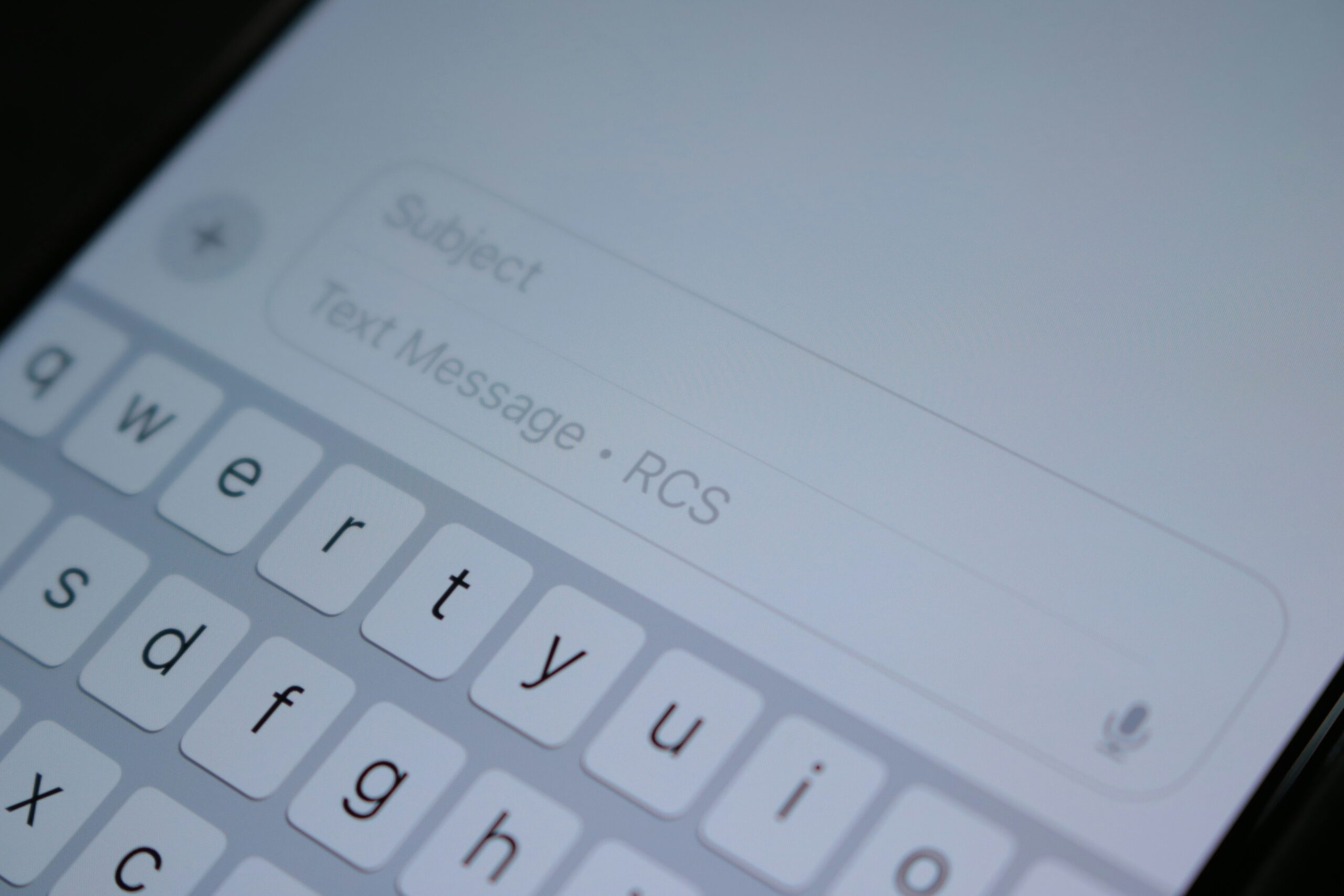
You receive a text out of the blue, saying something like “Dad, save my new number,” or “Mom, I broke my phone. This is my new number. Please save it.” If you don’t have kids, you’ll instantly know something is up. But if you’re a parent, you might think your child simply got a new phone number, and is responsibly reaching out to important contacts.
The thing is, this most likely isn’t your child on the other end. It’s a scammer, hoping you not only save the number to your contacts app, but continue the conversation as well.
Here’s how the scam works: Once you receive the text from your “child,” the scammer hopes you respond. When you confirm you’ll save the number, the scammer might respond with a request. That could include anything from a bank transfer (e.g. “I need some money, do you mind sending me your bank details?) to an MFA code request (“I’m trying to log into the bank account, but I need your code to get in.”)
If you’re on the lookout for scams, you might recognize these requests for finances and codes as red flags, and end the conversation then and there. But scammers are getting sophisticated: They’ll phish for details or study up your social media profiles to make their stories sound convincing. You might not want to transfer money to a strange text with no context, but if your “daughter” needs money for the soccer league they mention by name, you might be more willing to help out.
Scammers are even using AI to mimic the voices of people close to their targets. If they can find short videos of your friends and family from your social media profiles, they can clone the voice, and all of a sudden, they can sound pretty convincing over the phone.
If you receive a text like this, don’t respond. Instead, find another way to contact the person you think it is directly. If in doubt, never send sensitive information to people via text message or over the phone.
Share This